Senior football figures in Europe have raised the idea of a possible boycott of the 2026 World Cup, citing growing concerns over the political direction of the United States under president Donald Trump.
The tournament will be co-hosted by the US, Canada and Mexico, but the US is due to host the majority of matches, including all knockout games from the quarter-finals onwards.
Concerns have increased following Trump’s renewed push to bring Greenland under US control, alongside his tough stance on immigration and strained relations with several European countries.
Oke Goettlich, president of German club St Pauli and a member of the executive boards of both the Bundesliga and the German Football Federation, said the issue should be openly discussed.
Writing on LinkedIn, Goettlich said:
“The question is indeed justified as to whether Europeans should participate in a competition in a country that is indirectly, and possibly soon directly, attacking Europe.”
Veteran French coach Claude Le Roy, who has managed several national teams including Senegal, Ghana and Cameroon, shared similar concerns.
He said:
“I wonder if we shouldn’t call for a boycott of the 2026 World Cup, given Donald Trump’s behaviour towards the continent.”
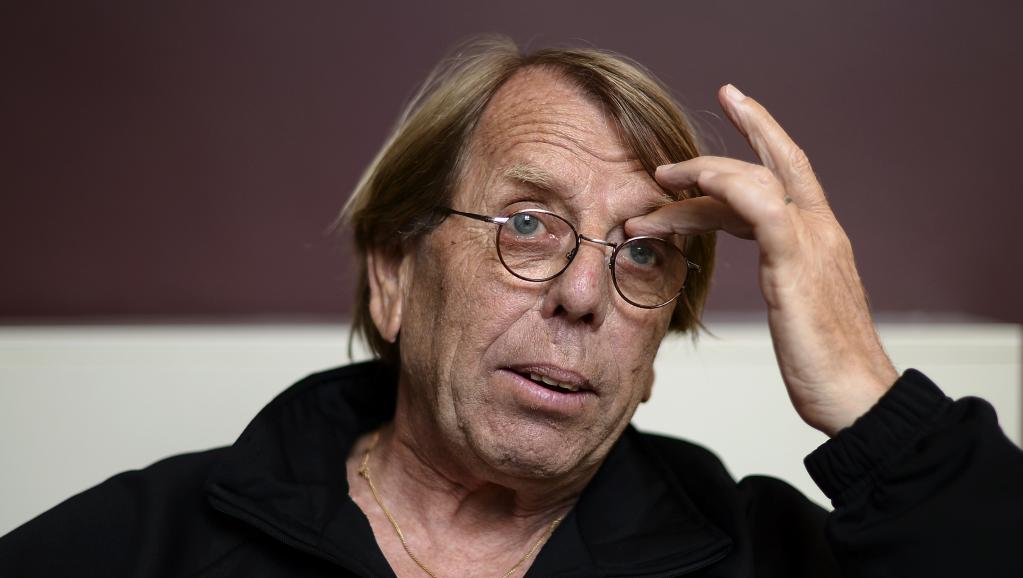
Le Roy also criticised football’s governing bodies, including Fifa, and its president Gianni Infantino. He added:
“The leaders at the highest level of football no longer talk about football, only about money.”
Political tensions rose further at the weekend after Trump imposed new tariffs on the UK and seven European countries. He warned that the tariffs could more than double if an agreement over Greenland is not reached by early June.
The US government has described Greenland as a “strategic imperative” for national security, pointing to its location and its relevance to missile defence in relation to Russia and China.
European leaders have rejected Trump’s stance. European Commission president Ursula von der Leyen described the tariffs as “a mistake” and promised a response that would be “united and proportional”.
Human rights groups have also voiced concerns ahead of the 2026 World Cup, calling for assurances that international fans will be able to enter the US without discrimination, following tighter entry rules for citizens of several countries.
With the tournament approaching, the comments highlight growing unease in parts of Europe over whether global football can remain separate from political tensions.