Enzo Maresca leaves Chelsea as tensions and results take their toll
Enzo Maresca has stepped down as Chelsea head coach after 18 months in charge, following a breakdown in relations at the club and a run of results that left his position increasingly difficult to sustain.
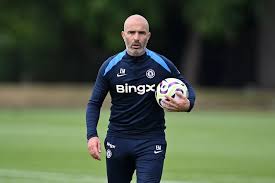
The Italian departed on New Year’s Day with Chelsea struggling for form in the Premier League. One win in their last seven league matches left them 15 points behind leaders Arsenal, with pressure mounting both on and off the pitch.
While results played a major role, sources close to the situation say Maresca felt his role had become untenable. His decision came amid internal disagreements, scrutiny over public comments and growing uncertainty about his long-term future at Stamford Bridge.
Behind-the-scenes disagreements
During his time at Chelsea, Maresca was involved in several disagreements with the club’s medical and performance departments. These centred on player fitness, availability and workload management.
From Chelsea’s perspective, the discussions were part of normal internal processes and focused on medical recommendations rather than any attempt to interfere with football decisions. However, the repeated disputes added to a sense of strain behind the scenes as the season progressed.
That tension surfaced publicly in mid-December after a 2-0 home win over Everton, when Maresca described the previous 48 hours as his “worst” at the club and suggested he lacked support. At the time, the comments raised eyebrows internally and externally.
Interest from rival clubs adds uncertainty
Alongside internal issues, Chelsea were also aware of interest in Maresca from elsewhere. He and his representatives are believed to have informed the club of approaches from at least two Champions League sides in recent months.
Despite that interest, Maresca made it clear he was not actively seeking a move and was open to discussing a future at Chelsea. However, having signed a long-term contract until 2030 only last summer, the club were unwilling to offer a new deal to end external speculation.
The situation left both sides in a difficult position, with trust and clarity increasingly hard to maintain.
A tense final night at Stamford Bridge
Maresca’s last match in charge was a 2-2 draw at home to Bournemouth. The atmosphere inside Stamford Bridge reflected the growing frustration, with sections of the crowd booing and chanting after he substituted Cole Palmer late in the game.
By that point, Chelsea were already assessing their options. Concerns over results, public messaging, medical disagreements and links to other jobs all fed into discussions about a possible change.
Chelsea turn attention to Liam Rosenior
Liam Rosenior has emerged as the leading candidate to succeed Maresca. Currently head coach of Strasbourg, Rosenior works under the same ownership group, BlueCo, that controls Chelsea.
The 41-year-old has impressed senior figures at the club with his work in Ligue 1, where Strasbourg finished seventh last season. His coaching style is seen as closely aligned with Chelsea’s current football structure.
Chelsea are not expected to pursue other high-profile names such as Oliver Glasner, Cesc Fàbregas, Andoni Iraola or Roberto De Zerbi, with Rosenior now viewed as the frontrunner from a small shortlist.
What happens next
Chelsea intend to appoint a permanent head coach who fits into the existing club structure rather than change direction again.
For Maresca, his departure brings an abrupt end to a challenging spell marked by promise, pressure and ultimately unresolved tensions. For Chelsea, attention now turns to stabilising the season and deciding who leads the club forward next.